NEW PLEASANT GREEN MISSIONARY BAPTIST CHURCH
A Century of Faith
The Legacy of New Pleasant Green Missionary Baptist Church: Love Beyond Measure 1925-2025
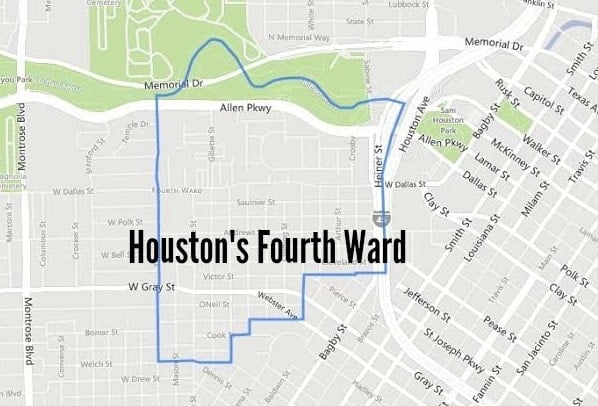
Houston’s Fourth Ward in 1925 was a vibrant, complex, and historically significant community, deeply shaped by its African American population and the legacy of emancipation. Known as Freedmen’s Town, the Fourth Ward was established in the late 19th century by formerly enslaved people seeking freedom, opportunity, and community. By 1925, it had become a cultural and economic hub for Black Houstonians, despite the systemic racism and segregation that defined the Jim Crow South.
The Fourth Ward was a densely populated area, with a majority African American population. Many residents were descendants of formerly enslaved people who had settled there after the Civil War. The community was tightly knit, with strong social networks that provided mutual support in the face of widespread racial discrimination. Churches, schools, and fraternal organizations were central to the social fabric, serving as places of worship, education, and activism.
Religious life was particularly significant in the Fourth Ward. Churches were not only spiritual centers but also hubs for social and political organization. They provided a sense of stability and hope, offering services such as literacy programs, job placement assistance, and community meals. The church was often the first institution established in African American communities, reflecting its importance in fostering resilience and unity.
Economically, the Fourth Ward was a mix of modest prosperity and poverty. Many residents worked in service industries, as laborers, or in domestic roles for white families in other parts of Houston. Others were small business owners, operating grocery stores, barber shops, and other enterprises that catered to the local community. The area was also home to skilled craftsmen, including brickmakers and carpenters, who had built many of the neighborhood’s homes and churches.
Culturally, the Fourth Ward was a vibrant center of African American life in Houston. The neighborhood was known for its music, particularly blues and jazz, which could be heard in local clubs and on street corners. This cultural richness was a source of pride and a means of resistance against the dehumanizing effects of segregation.
Education was another cornerstone of the community. Schools like Gregory School, the first public school for African American children in Houston, played a crucial role in fostering a sense of empowerment and progress. Teachers were often community leaders, and education was seen as a pathway to a better future.
Despite these economic activities, systemic barriers limited wealth accumulation and upward mobility. Redlining and discriminatory lending practices made it difficult for residents to own property or secure loans. However, the community’s entrepreneurial spirit and mutual aid networks helped sustain its economic life.
In the Beginning
The 1920s were a time of significant change and challenge for African Americans in the South. The Great Migration was in full swing, with many Black families leaving rural areas for urban centers like Houston in search of better opportunities. This influx of new residents brought both opportunities and challenges, as the Fourth Ward became increasingly crowded.
The rise of the Ku Klux Klan in Texas during this period posed a constant threat to the safety and well-being of African American communities. Despite this, the Fourth Ward remained a place of resistance and resilience. Organizations like the NAACP were active in Houston, advocating for civil rights and fighting against racial violence and discrimination.
The founding of a church in the Fourth Ward in 1925 would have been deeply influenced by these social, economic, and cultural dynamics. Churches were often established as acts of faith and defiance, providing a sanctuary from the harsh realities of segregation. They were built through collective effort, with members pooling resources and labor to create spaces that reflected their values and aspirations.
Notable figures in the community, such as pastors, educators, and business leaders, would have played key roles in the church’s establishment. These individuals were often seen as moral and spiritual leaders, guiding their congregations through times of hardship and change.
One story that illustrates the spirit of the Fourth Ward during this time is the construction of brick streets by community members. Denied city services, residents made their own bricks and paved the streets themselves, a testament to their resourcefulness and determination. This same spirit would have been evident in the founding of a church, with members coming together to create a space for worship and community.
Another anecdote involves the role of women in the church. In many African American congregations, women were the backbone of church life, organizing events, leading choirs, and teaching Sunday school. Their contributions were essential to the church’s success and its ability to serve the community.
In 1925, Houston’s Fourth Ward was a community marked by resilience, creativity, and faith. The founding of a church during this period would have been a profound act of hope and solidarity, reflecting the community’s commitment to spiritual and social uplift. Despite the challenges of segregation and economic hardship, the people of the Fourth Ward built institutions that not only met their immediate needs but also laid the foundation for future generations.
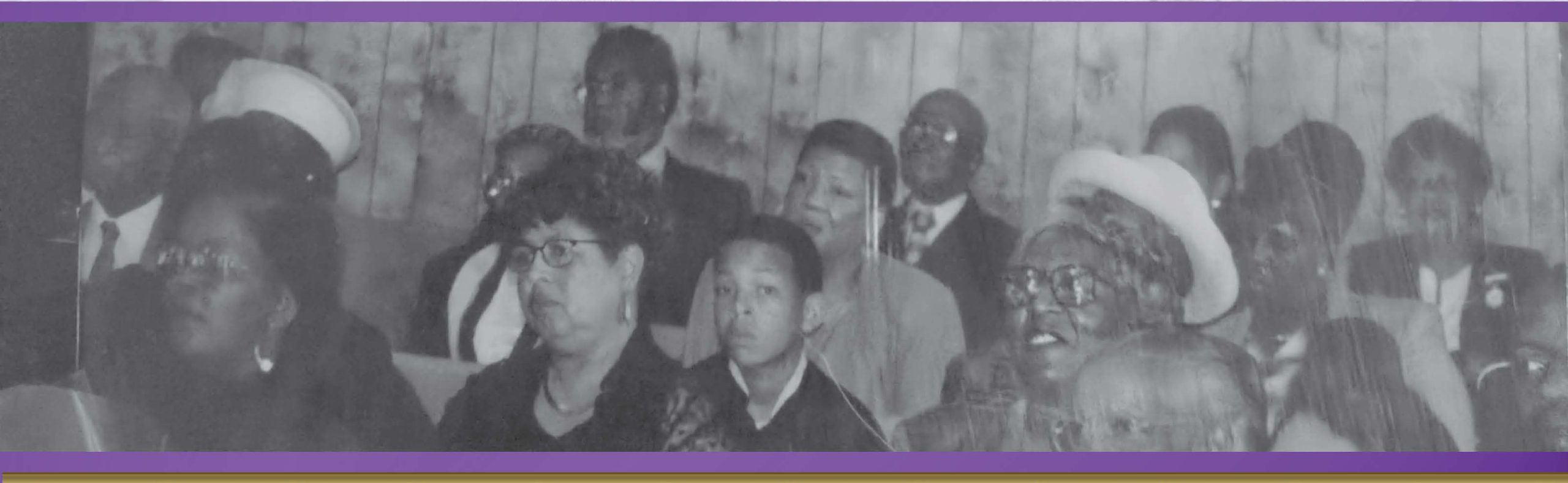
The New Pleasant Green Missionary Baptist Church was organized on the first Sunday in May of 1925. The church started in the old brick yard in the West End area of Houston, Texas, under the leadership of Pastor J.E. Nesby, the first pastor. The church started with 63 members.
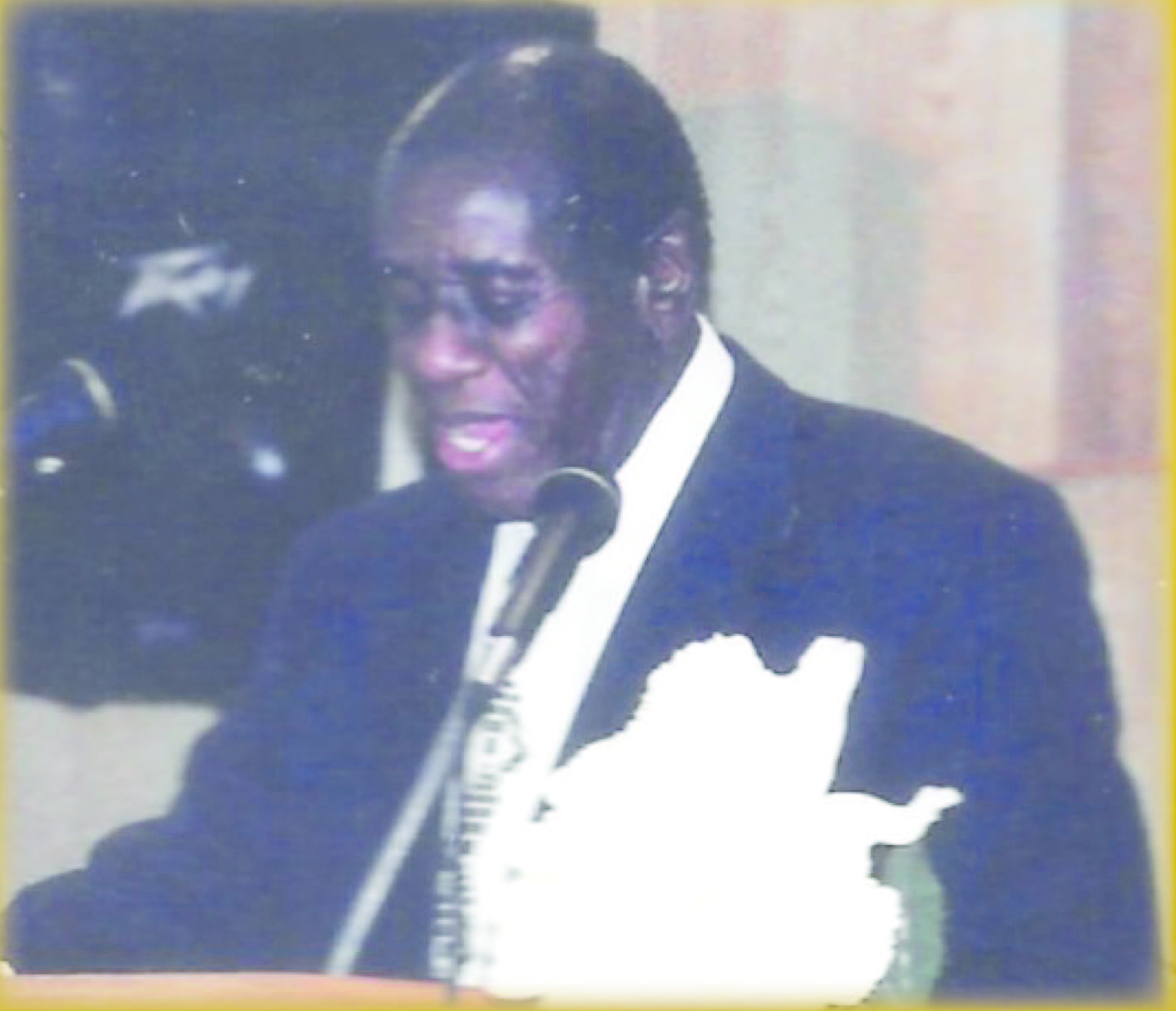
Pastor Charles Samuel O'Bryant - The Legacy Pastor
The members met every Sunday for a year until it was blessed with enough money to purchase the property at 1510 Andrews Street. Rev. Nesby pastored the church for 14 years until God called him home. Other pastors called after his death were Rev. W.E. Edwards, Rev. W.J. Gaskins, Rev. B.T. Steward, Rev. R.H. Hillard, Rev. I.E. Green, Rev. E.E. Gibbs, and Rev. H.A. King.
In 1969, a committee of deacons and trustees was selected to seek a new pastor—one who was filled with the Holy Spirit, a true leader, and a good shepherd to lead God’s people. On June 22, 1969, Rev. Charles Samuel O’Bryant Sr. was installed as the pastor. Under Pastor O’Bryant’s leadership, the property at 1510 Andrews Street was expanded. Pastor O’Bryant and the trustees purchased the property on the left side of the church. A new pastor’s study and adjoining secretary’s office were built. The physical structure was renovated on the inside, and a parking lot was created for the members. The kitchen and the fellowship hall downstairs were updated to include a ladies’ lounge. As time progressed, Pastor O’Bryant received a divine vision to relocate our church.
He found our present location, in Houston’s Fifth Ward. Pastor O’Bryant, deacons, and trustees came and looked over the property. A special meeting was called, votes were cast, and with the grace of God, the property at 1319 Grove Street was purchased. A motorcade was formed, and we drove to the church for a 3 p.m. program with City Councilman Ernest McGowen as the speaker. Under the leadership of Pastor O’Bryant, the parking lot and property across the street was given to the church by Bro. and Sis. LaPoint.
Houston’s Fifth Ward was a dynamic and evolving community, shaped by its diverse population, economic challenges, and cultural vibrancy. Known as the “Nickel” the community was a predominantly African American neighborhood, though it included working-class white and immigrant populations. The area was a microcosm of the broader social, economic, and cultural forces at play in South, and these dynamics influenced the founding of churches and other institutions.
The Fifth Ward was a close-knit community where social networks were vital for survival and mutual support. African Americans made up the majority of the population, many of whom were descendants of formerly enslaved people or migrants from rural areas seeking better opportunities in the city. The Great Migration (1910 - 1970) was in full swing during this period, and the Fifth Ward saw an influx of Black families from across the South. This migration brought new energy and diversity to the neighborhood but also created challenges, such as overcrowding and strained resources.
Churches were the cornerstone of social life in the Fifth Ward. They provided spiritual guidance, as well as, a sense of community and belonging. They were often the first places newcomers turned to for support, and they played a critical role in helping residents navigate the challenges of urban life. Churches also served as venues for social events, education, and political activism, making them central to the community’s identity.
Houston's Fifth Ward
Economically, the Fifth Ward was a working-class neighborhood. Many residents were employed in low-wage jobs, such as laborers, porters, and domestic workers. Others worked in the nearby rail yards, warehouses, and industrial plants that were central to Houston’s economy. Despite these opportunities, systemic racism and segregation limited economic mobility and access to resources.
Small businesses were a vital part of the Fifth Ward’s economy. Black entrepreneurs operated grocery stores, barber shops, beauty salons, and other establishments that catered to the local community. These businesses not only provided essential goods and services but also created a sense of pride and self-sufficiency. However, economic hardship was a reality for many families, and mutual aid societies and church-based charity programs were essential for those in need.
Culturally, the Fifth Ward was a vibrant and creative community. Music was a defining feature of the neighborhood, with blues and jazz thriving in local clubs and social gatherings. The area was home to talented musicians who would later gain national recognition, and this cultural richness added to the community’s resilience and identity.
Education was another important aspect of life in the Fifth Ward. Schools like Phillis Wheatley High School, which opened in 1927, became centers of learning and community pride. Teachers were often respected leaders who instilled a sense of hope and ambition in their students. Education was seen as a pathway to a better future, and churches often supported these efforts by hosting literacy programs and other educational initiatives.
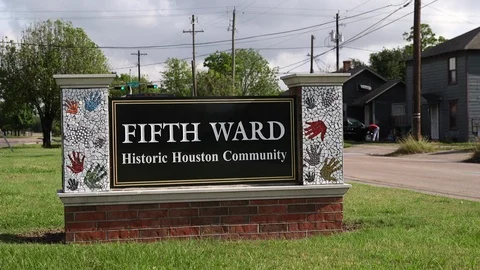
Houston’s Fifth Ward has undergone significant changes from the 1990s to the present day, reflecting broader trends in urban development, gentrification, and community resilience. Known historically as a predominantly African American neighborhood with deep cultural roots, the Fifth Ward has faced challenges such as economic disinvestment, crime, and systemic neglect, but it has also seen efforts toward revitalization and preservation of its rich heritage. By the 1990s, the Fifth Ward was grappling with the long-term effects of economic decline and urban neglect. The neighborhood, once a thriving hub of Black culture and commerce, had suffered from decades of disinvestment, white flight, and the impact of urban renewal projects that disrupted communities in the mid-20th century. Many residents faced poverty, and the area struggled with high crime rates, deteriorating infrastructure, and limited access to quality education and healthcare.
Despite these challenges, the Fifth Ward remained a resilient community with a strong sense of identity. Churches continued to play a central role in community life, offering spiritual guidance, social services, and a sense of stability. Local organizations and leaders worked to address issues such as youth violence and economic inequality, often relying on grassroots efforts to create change. The Fifth Ward maintained its reputation as a center of creativity and expression. The neighborhood’s rich musical legacy in blues and hip-hop, continued to influence Houston’s cultural landscape.
The Emergence of Pastor Derrick T. Jones

In 2001, the church’s property in Fourth Ward was sold. In 2003, more property across the street was purchased, the parking lot was expanded, and a van was acquired. The early 2000s marked the beginning of significant changes in the Fifth Ward, driven by both community-led initiatives and external forces. Efforts to revitalize the neighborhood gained momentum, with organizations like the Fifth Ward Community Redevelopment Corporation (FWCRC) leading the charge. Founded in 1989, the FWCRC focused on affordable housing, economic development, and preserving the cultural heritage of the area. These efforts aimed to improve the quality of life for residents while maintaining the neighborhood’s historic character.
At the same time, the Fifth Ward began to experience the pressures of gentrification. As Houston’s population grew and housing demand increased, developers turned their attention to historically underserved neighborhoods like the Fifth Ward. New townhomes and luxury developments began to appear, attracting wealthier, often non-Black residents. While these changes brought investment and improved infrastructure, they also raised concerns about displacement and the loss of the neighborhood’s cultural identity.
The 2010s saw a continued push for revitalization, with mixed results. On one hand, new businesses, parks, and community centers brought opportunities and resources to the area. On the other hand, rising property values and rents made it increasingly difficult for long-time residents to remain in the neighborhood. The tension between development and preservation became a central issue, with community leaders advocating for policies to protect affordable housing and support local businesses.
Pastor O’Bryant continued to teach, preach, and lead us wisely. God continued to bless him, the church, and the members. Pastor O’Bryant was called home to be with the Lord on January 9, 2008.
What a loss for the church and the members, for he had served for 39 years. After Pastor O’Bryant’s death, the church was in mourning, but we still had hope. On March 7, 2008, Rev. Charles O’Bryant Jr. became the pastor, but he resigned on July 25, 2008. On Sunday, August 3, 2008, we had our first Sunday without a pastor. Our chairman of the deacon board, Bro. James Shields, delivered the message for that service. Deacon Shields and the chairman of the trustees, Sis. Barbara Thomas, formed a meeting and contacted J.L. White, pastor of the Pleasant Hill Baptist Church, and he became the moderator for the search for a new pastor.
The next Sunday, August 10, 2008, Pastor White delivered the sermon for that service. Pastor White served and assisted the boards and members for almost a year, from August 2008 to June 2009. We were visited by many ministers during that time. The members narrowed it down to two candidates: Rev. Derrick T. Jones and Rev. Greg Collins.
On July 1, 2009, the members of the New Pleasant Green Church voted, and Rev. Derrick T. Jones became pastor. The members were excited because God had sent us a young, dynamic manof God—one who loved God and was filled with His Spirit. One who, when he preaches, causes heaven to open up. On October 11, 2009, Pastor Jones’ installation service was held, with spoken words from Pastor James E. Lightfoot of the Mt. Zion Missionary Baptist Church.
Rev. Jones played a significant role in putting the church back together after Hurricane Ike. Pastor Jones installed new ministries in the church. His teaching and preaching resonate with both the youngest and the oldest. “Wednesday in the Word” grew continually because Pastor Jones allowed God to use him in a dynamic way to help His people.
Years ago, Pastor Jones began his academic journey at the American Baptist College Theological Seminary and the College of Biblical Studies, earning a Bachelor of Science in Biblical Counseling. This foundation shaped his mission to guide others toward healing while emphasizing the transformative power of education. His learning extended beyond the classroom. At the Texas Department of Criminal Justice, he witnessed resilience amidst broken systems, and at the Star of Hope Homeless Mission, he encountered inspiring stories of struggle and triumph. These experiences deepened his empathy and strengthened his vision for community-focused ministry.
Determined to expand his impact, Pastor Jones earned a Master of Arts in Christian Ministry at Baylor University’s Truett Seminary and pursued a Doctor of Ministry degree at United Theological Seminary. His studies sharpened both his leadership and his ability to connect biblical truths to contemporary challenges, inspiring new outreach efforts and a more vibrant worship experience at New Pleasant Green MBC. With his vision, Pastor Jones continued to work and expand our church and our efforts for the edification of Christ Jesus. As Pastor Jones often said, “The best is yet to come!” and “You ain’t seen nothing yet!”
Today, the Fifth Ward is a community in transition, balancing its historic legacy with the challenges and opportunities of modern urban life. The area remains predominantly African American, though its demographics are shifting due to gentrification and new development. Efforts to preserve the neighborhood’s cultural heritage continue, with initiatives like the Fifth Ward Cultural Arts District, which celebrates the area’s history and artistic contributions.
Economic development has brought new businesses and amenities to the Fifth Ward, but disparities persist. Many residents still face economic challenges, and access to quality education, healthcare, and employment opportunities remains a concern. Community organizations and activists continue to work toward equitable development, striving to ensure that the benefits of revitalization are shared by all.
Sadly, Pastor Jones went home to be with the Lord on Tuesday, April 1, 2025 at the age of 55. He left us a legacy of love and faith that New Pleasant Green will continue to build on for years to come.